

Mabuyu is one of those Kenyan treats that can bring back a whole place in a single bite: the coast, a school canteen, a bus journey, or a small paper bag shared with friends. The sweet-and-tangy snack is familiar to many Kenyans, but people encountering it abroad often have several questions. What exactly is mabuyu? What is it called in English? Is it a fruit or a sweet, and where can you buy authentic Kenyan mabuyu outside Kenya?
This guide explains the story behind mabuyu, how the popular candy relates to the baobab fruit, how to enjoy and store it, and how to order it online from Kenyan Diaspora Market, our France-based shop serving supported international destinations.
What Is Mabuyu?
Mabuyu is a flavoured Kenyan sweet made using the seeds and pulp associated with the fruit of the African baobab tree. In Swahili, the tree is called mbuyu; mabuyu is the plural form commonly used for the prepared snack. The name therefore refers both to its baobab origin and, in everyday Kenyan conversation, to the brightly coloured candy many people know from the coast.
The African baobab’s scientific name is Adansonia digitata. According to Kew Science’s Plants of the World Online, the fruit has a hard outer shell containing a dry, mealy pulp and numerous seeds. The pulp can be eaten or used in drinks and porridge. Kenyan mabuyu candy takes that natural starting point in a much sweeter direction.
Prepared mabuyu is especially associated with Kenya’s coastal food culture. Recipes differ between makers and families, but the familiar version is usually coated in a cooked sugar mixture with colour and flavouring. Some varieties add warming spice, cardamom or chilli. This is why one packet can taste fruity and mild while another finishes with a noticeable kick.
What Is Mabuyu Called in English?
There is no perfect English replacement for the word mabuyu. The clearest description is Kenyan baobab sweets or baobab seed candy. You may also see terms such as baobab candy, baobab fruit sweets or coated baobab seeds.
“Baobab fruit” and “mabuyu candy” should not be treated as identical products. The natural fruit contains pale, dry pulp around dark seeds. Kenyan mabuyu is the prepared confection: the fruit material and seeds have been sweetened, coloured and flavoured. If you are shopping online, read the ingredient list and product description rather than assuming every baobab product will taste like the Kenyan sweet you remember.
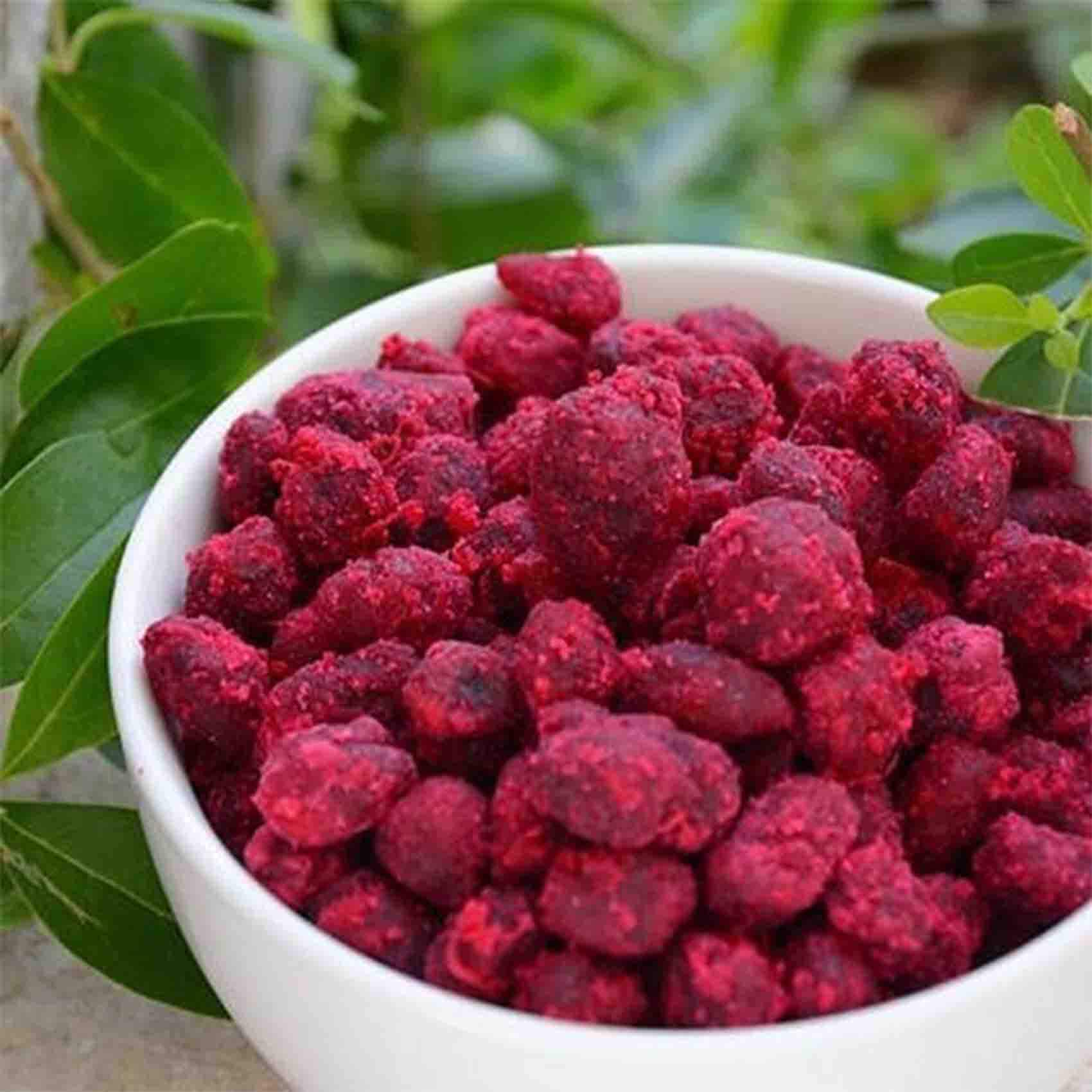
View original red Mabuyu and current availability
How Kenyan Mabuyu Is Made
The precise method and ingredients vary, so the packaging remains the best source for a particular product. Broadly, the process begins with baobab seeds and the naturally dry pulp that clings to them. A syrup is prepared, then colour and flavouring are added. The seeds are mixed through the flavoured coating and allowed to cool or dry until the characteristic bright, irregular pieces form.
The final texture is part of the experience. You enjoy the sweet coating and tangy pulp around the seed; the hard seed itself is normally not chewed like a nut. Anyone trying mabuyu for the first time should eat slowly rather than biting down hard.
Commercial packets can differ from homemade mabuyu in sweetness, colour, spice level and moisture. That variation is normal. If a particular flavour matters to you, check the individual listing rather than choosing only by colour.
Popular Mabuyu Flavours
1. Original red Mabuyu
The red version is the classic starting point for many shoppers. It combines a sugary coating with the tart character of baobab pulp and is an easy choice for a Kenyan-themed snack box. See the original red Mabuyu product page.
2. Mabuyu with iliki
Iliki means cardamom. This variety adds an aromatic, warmly spiced note that works well for people who enjoy the fragrance of cardamom in Kenyan tea and sweets. Availability changes, so use the notification option if it is awaiting restock. Check Mabuyu with iliki availability.
3. Chilli Mabuyu
Chilli Mabuyu balances sweetness and tang with heat. Spice tolerance varies considerably, so it is worth checking the product details before ordering it for somebody else. Check the red chilli Mabuyu listing.
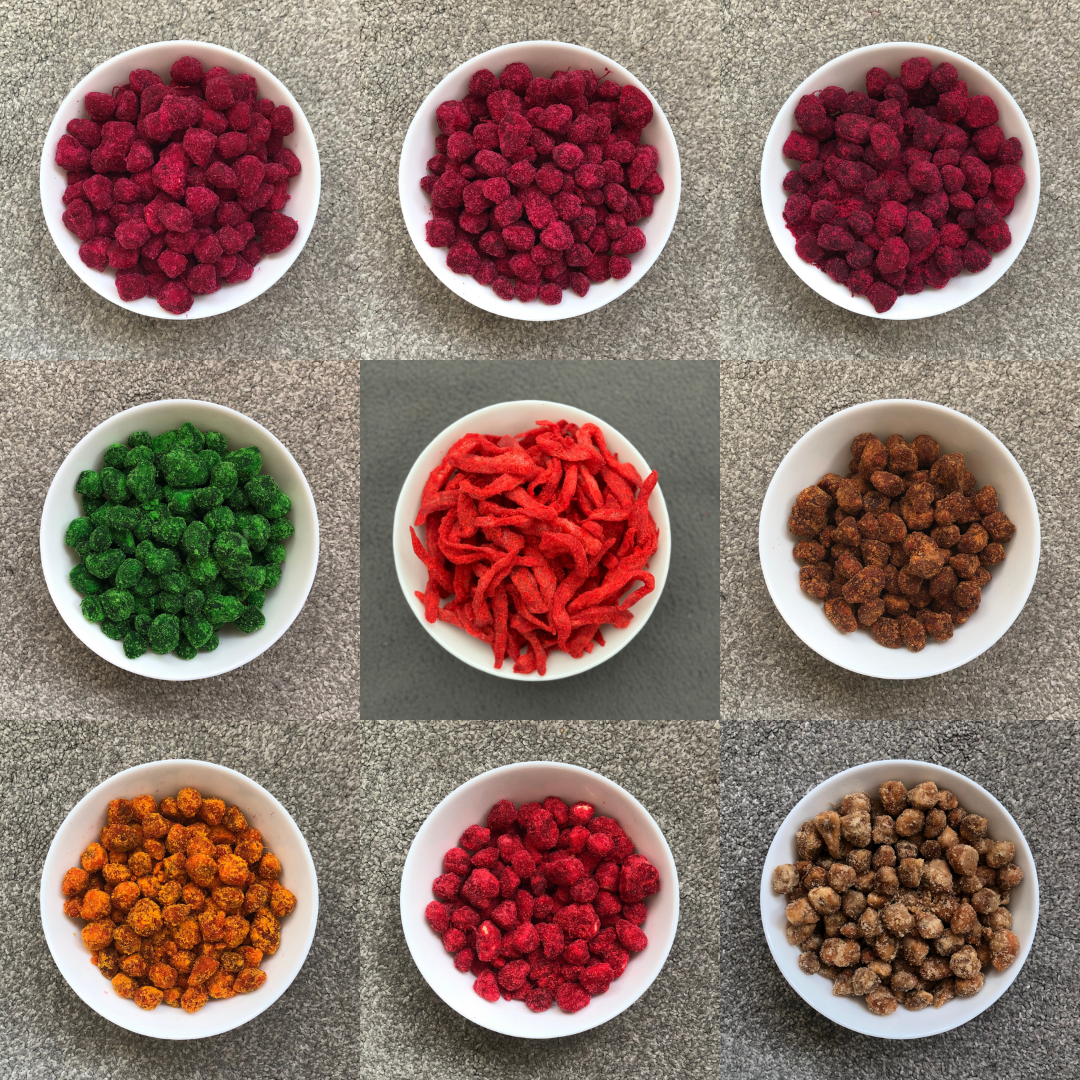
View the chilli Mabuyu product and restock status
Is Mabuyu the Same as Baobab Fruit?
Not quite. Mabuyu begins with material from baobab fruit, but the colourful sweet is a processed confection. Natural baobab pulp has its own composition and culinary uses; once sugar and flavourings are added, the nutrition and portion size of the finished candy are different.
The Food and Agriculture Organization describes baobab as an important African food that can be consumed dry or mixed into foods such as porridge. That information concerns baobab fruit generally, not a promise that sweetened mabuyu treats or prevents any health condition.
Enjoy mabuyu as a sweet rather than as medicine. People managing allergies, diabetes or another condition affected by ingredients or sugar should read the label and follow advice from an appropriate healthcare professional. Recipes and ingredients may vary between products.
How to Enjoy Mabuyu
Mabuyu needs no preparation. Open the packet and enjoy a small serving on its own, alongside tea, or as part of a mixed Kenyan snack selection. It can also be a cheerful addition to a birthday parcel, student care package or Christmas box for somebody missing home.
- With tea: serve a few pieces after a meal or during an afternoon break.
- In a Kenyan snack box: combine it with packaged sweets and other shelf-stable favourites from the Kenyan food collection.
- For first-time tasters: explain that the hard seed is inside and should not be bitten aggressively.
- As a taste-of-home gift: confirm the recipient likes the selected flavour and check the destination’s food-import rules.
How to Store Mabuyu
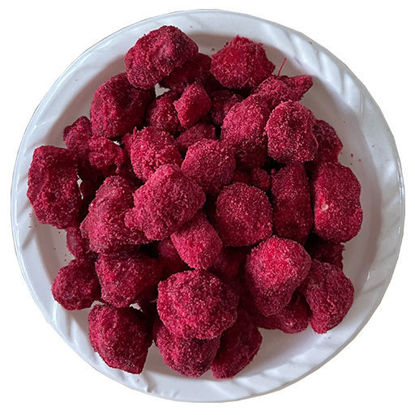
Follow the storage directions on the packet. As a practical rule, keep the sweets sealed in a cool, dry place away from direct sunlight, humidity and strong-smelling foods. Close the packet properly after opening or transfer the sweets to a clean airtight container.
Do not rely only on appearance. Discard a product if its packaging is damaged or if its smell, texture or condition seems unusual. Always observe the best-before information supplied with the product.
Where to Buy Kenyan Mabuyu Abroad
Finding mabuyu outside Kenya can be surprisingly difficult. A general African grocery may carry baobab powder without stocking the Kenyan prepared sweet. Even when a shop lists “baobab candy,” the flavour may differ from coastal Kenyan mabuyu.
Kenyan Diaspora Market is based in Paris, France, and specialises in Kenyan products. You can view the available Mabuyu varieties online and enter your address at checkout to see the currently supported shipping options. Stock, prices, delivery services and destination restrictions can change, so the live product and checkout pages are authoritative.
- Open the Mabuyu product page.
- Check the displayed pack size, ingredients, price and availability.
- Add the quantity you genuinely need rather than ordering before checking storage information.
- Enter your full delivery address at checkout to view the available service.
- Review the total—including delivery—before paying.
For a broader basket, read our guide to buying Kenyan food abroad. It covers pantry staples, vegetables, breakfast products, seasonings and nostalgic snacks available through the shop.
Frequently Asked Questions About Mabuyu
What does Mabuyu mean in English?
Mabuyu is commonly described in English as Kenyan baobab sweets, baobab seed candy or baobab candy. The Swahili word comes from mbuyu, meaning the baobab tree.
Is Mabuyu a fruit or a sweet?
The baobab produces a fruit containing pulp and seeds. The colourful Mabuyu commonly sold in Kenya is a prepared sweet made by coating or flavouring that fruit material and its seeds.
Can you eat the seed inside Mabuyu?
The sweet coating and pulp around the seed are the enjoyable parts. The remaining seed is hard, so do not bite down forcefully. Follow the instructions provided with the product.
Does every Mabuyu packet taste the same?
No. Sweetness, tartness, colour, moisture and spice can differ by recipe and variety. Cardamom and chilli versions, for example, have noticeably different flavour profiles.
Can Kenyan Diaspora Market send Mabuyu internationally?
The shop offers international delivery to supported destinations from France. Eligibility depends on the current product, address, carrier and destination rules. Enter the delivery address during checkout for the available option.
What should I check before ordering?
Check the ingredient information, pack size, current price, stock status, best-before details and delivery options shown on the product page. If a variety is unavailable, use its restock notification where offered.
A Small Taste of the Kenyan Coast
Mabuyu is difficult to explain only as candy. For many Kenyans, it carries memories of people, journeys and places. For somebody discovering it for the first time, it is an unusual meeting of sweetness, tart baobab pulp, colour and spice.
Start with the flavour that suits you, read the product details, and enjoy it as the treat it is. Shop original Kenyan Mabuyu online or browse the complete Kenyan Diaspora Market shop.
